Guilty Party
3 Luglio 2025Denti Cadenti
28 Novembre 2025REALITY GLITCH
Andreas Greiner | Vincent Grunwald | Marie Jeschke | Alessandro Rauschmann | Dan Su
28 Mai - 25 July 2025
"REALITY GLITCH" is the first exhibition to open at the Lusvardi Art Satellite Space in KIel, Germany.
In an area where one would not expect to find art, the space opens up to everyone and invites an alternative perception of reality.
In an area where one would not expect to find art, the space opens up to everyone and invites an alternative perception of reality.
The title "REALITY GLITCH" refers equally to the individual works and the exhibition as a door to an intermediate dimension.
Artworks of various genres will be shown, which, based on the understanding that art is a visual language, enter into an imaginary dialogue:
Artworks of various genres will be shown, which, based on the understanding that art is a visual language, enter into an imaginary dialogue:
Photographic still lifes by Kiel-based artist Maria Malmberg are visible even from the outside. The colors of the depicted flowers fluoresce against a black background. "Another Dimension" is the title of this ongoing series, which explores the ambivalence of beauty and transience, as well as a hyper-generated perception of color.
At the center of the space stands a metallic, bandaged tower by the Berlin-based artist Dan Su, who was born in southern China. It is a multimedia temple that serves as the venue for her live performance on the opening night.
The performative rays extend to the walls, where abstract paintings by Marie Jeschke can be seen.
These images were created underwater during dives in the Spree River.
Influenced by the power and movement of the water, a performative, gestural painting emerges, in which vegetable oil-based algae paste is applied to and removed from the canvas using the entire body through swimming movements.
This method creates a composition that documents its own performative creation. Juxtaposed with the images are the diving suits that served as painting tools.
These images were created underwater during dives in the Spree River.
Influenced by the power and movement of the water, a performative, gestural painting emerges, in which vegetable oil-based algae paste is applied to and removed from the canvas using the entire body through swimming movements.
This method creates a composition that documents its own performative creation. Juxtaposed with the images are the diving suits that served as painting tools.
Andreas Greiner, Professor of Media Art at the Muthesius Academy of Art and Design in Kiel, suggests to us, to manipulate our own DNS. The DIY CRISPR gene engineering kit required for this purpose is on display as a Ready-Made .
The "crew personnel" of this satellite is an ensemble of aluminum sculptures by city design developer Vincent Grunwald.
A replica of a pistol, materialized in frozen black ink, melts and ultimately dissolves on a pedestal.
This ephemeral sculpture can be read as a pacifist commentary by Alessandro Rauschmann. Is time being stretched, or is it the "glitch," the flaw in reality? It is in the nature of art not to provide answers, but to ask questions.
Opening a space for these questions and experiments at the CAP is an opportunity to experience contemporary art without having to cross the threshold of the elitist and commercial.
This ephemeral sculpture can be read as a pacifist commentary by Alessandro Rauschmann. Is time being stretched, or is it the "glitch," the flaw in reality? It is in the nature of art not to provide answers, but to ask questions.
Opening a space for these questions and experiments at the CAP is an opportunity to experience contemporary art without having to cross the threshold of the elitist and commercial.
Curated by Alessandro Rauschmann
-
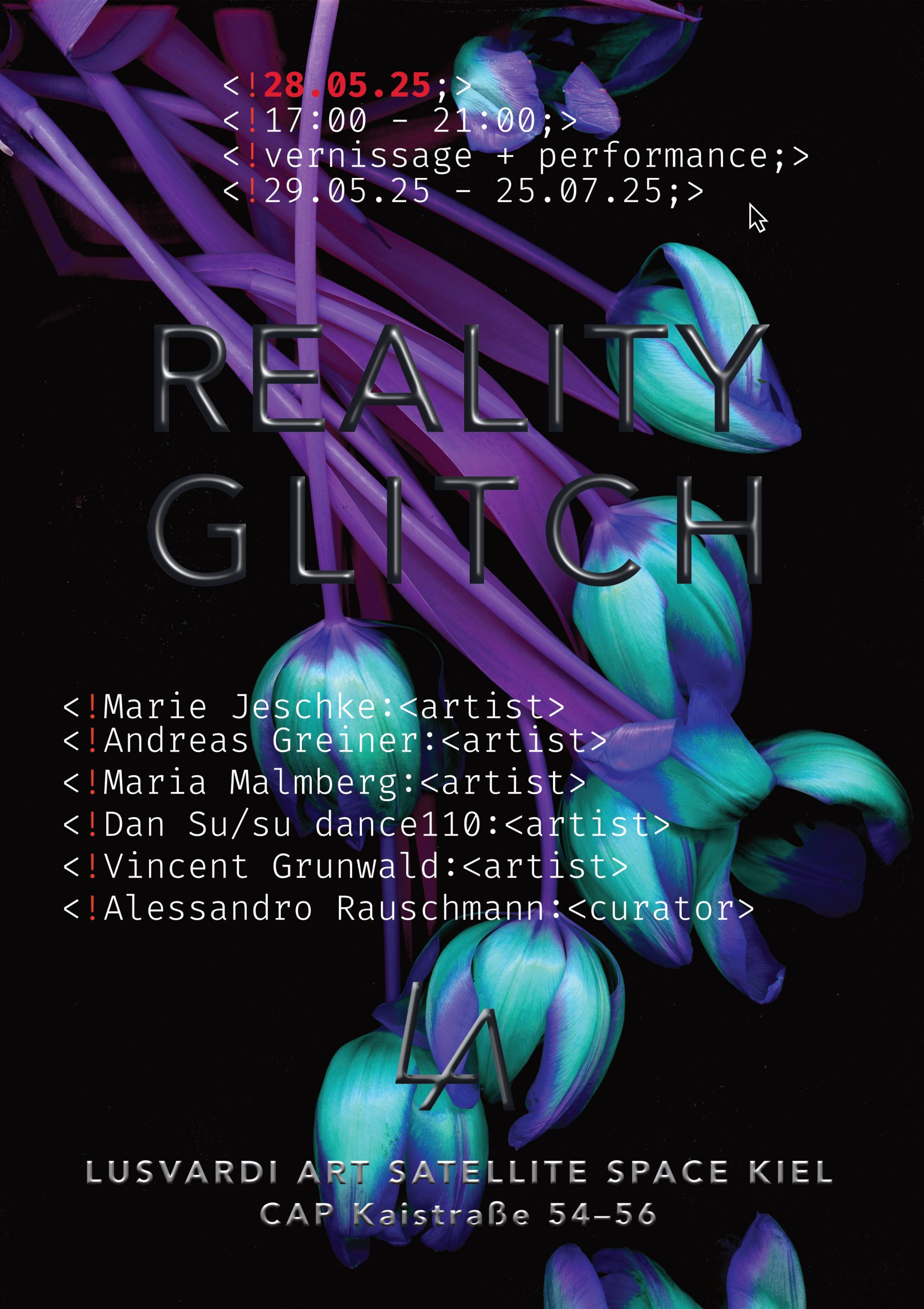
- REALITY GLITCH | Exhibition Poster
-
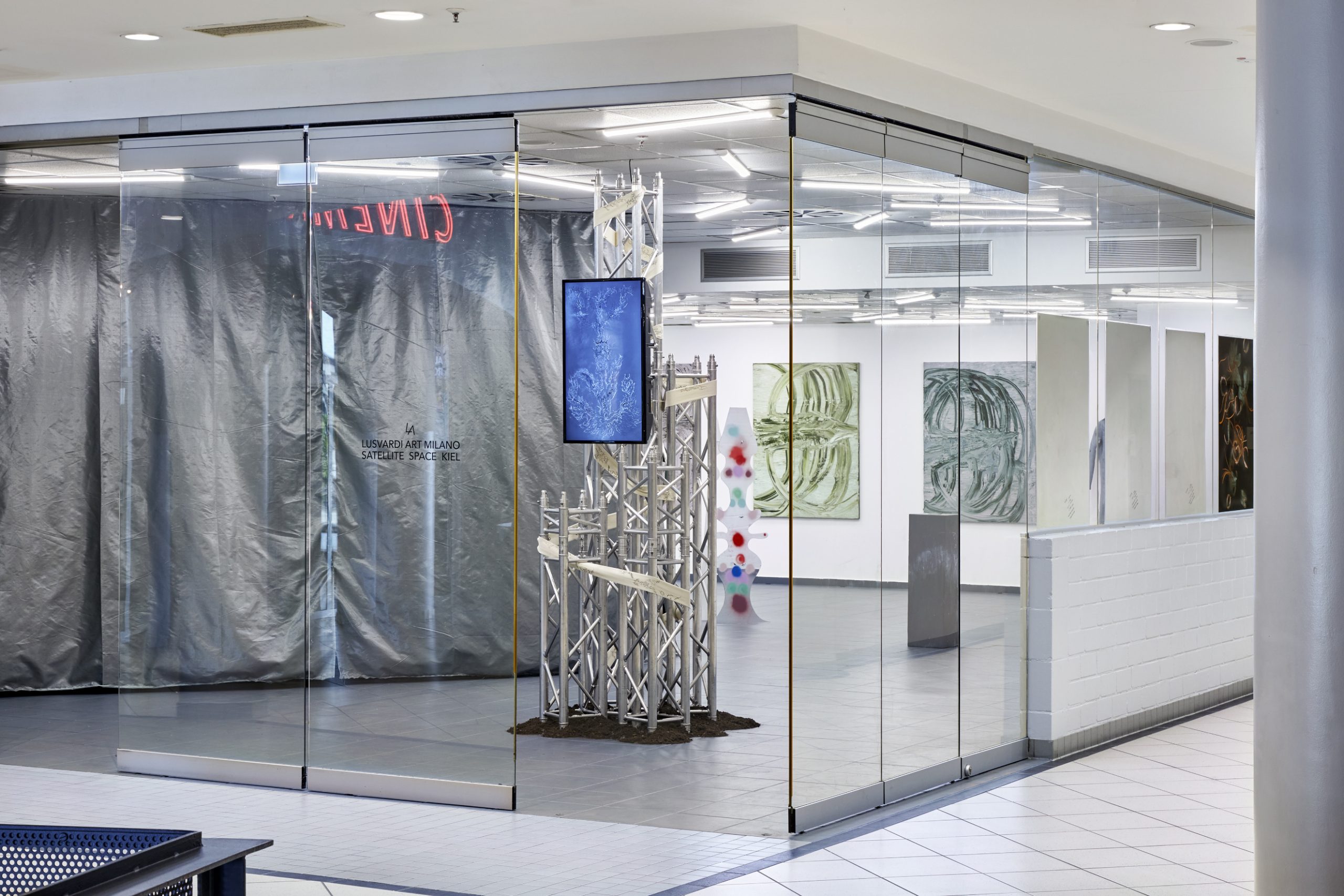
- Reality Glitch
-
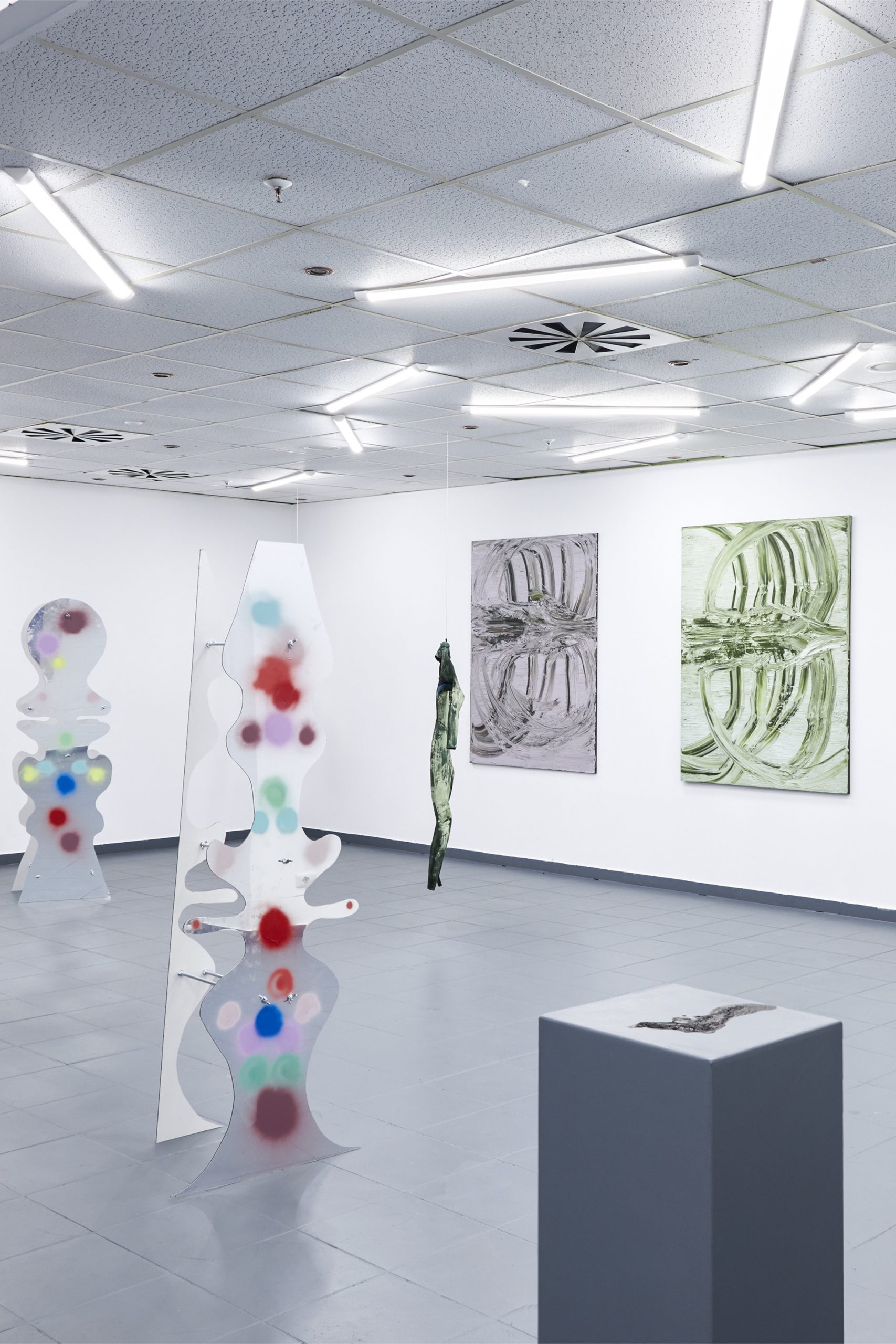
- Reality Glitch | Alessandro Rauschmann | Vincent Grunwald | Marie Jeschke
-
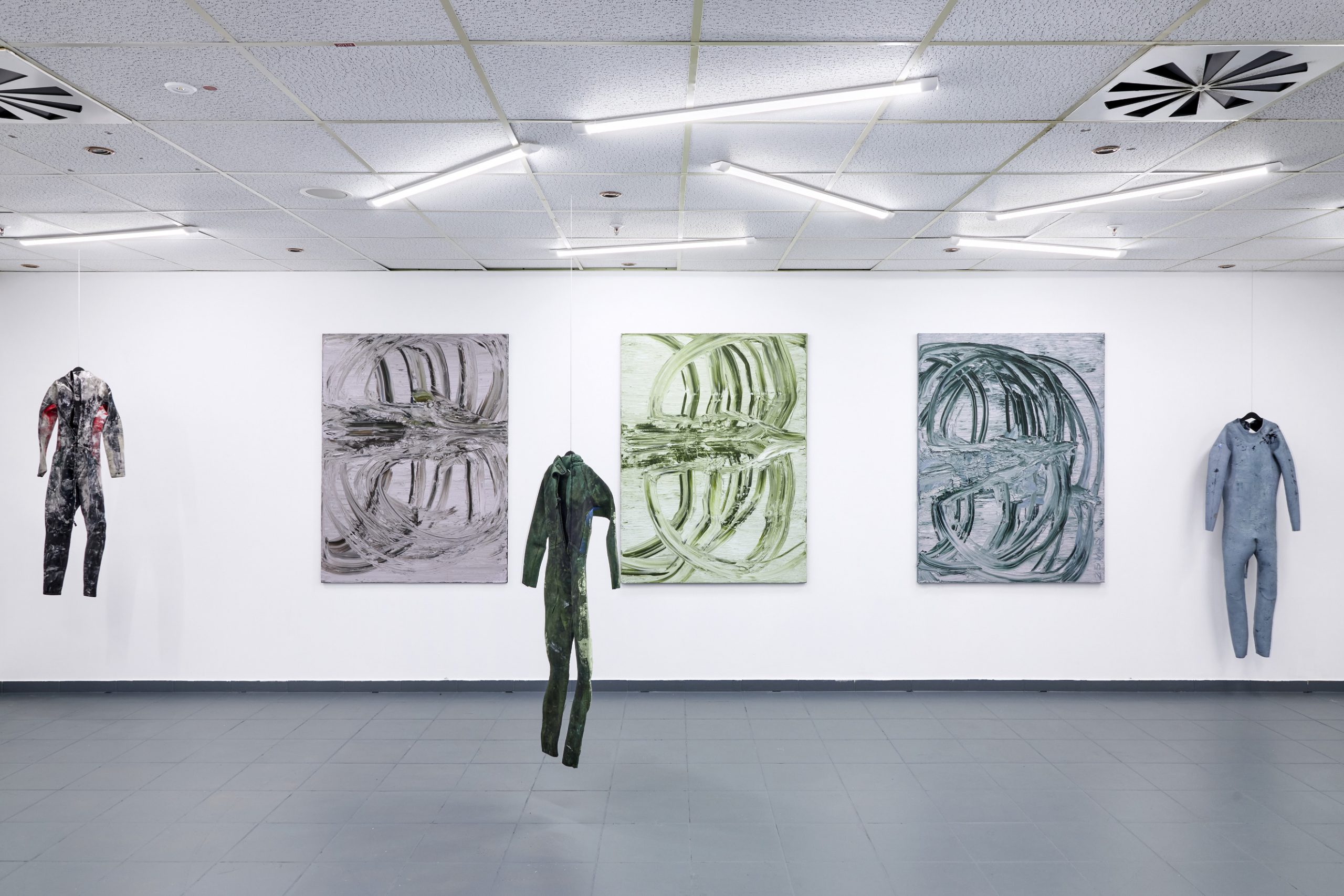
- Marie Jeschke “Ungeheuer Unten (Spree)” | oil on canvas, oil on neoprensuites 2024
-
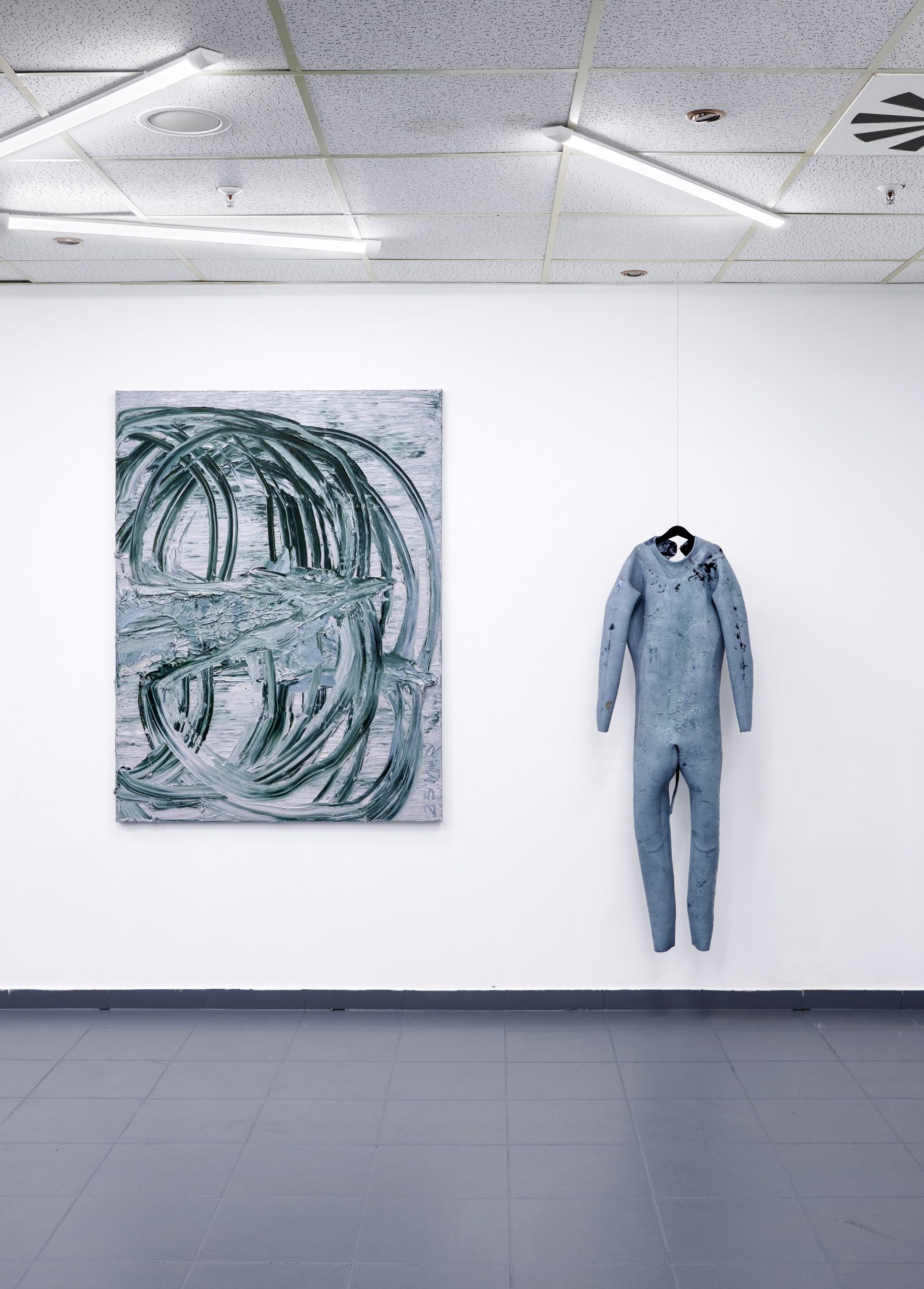
- Marie Jeschke “Ungeheuer Unten (Spree)” | oil on canvas, oil on neoprensuite 2024
-
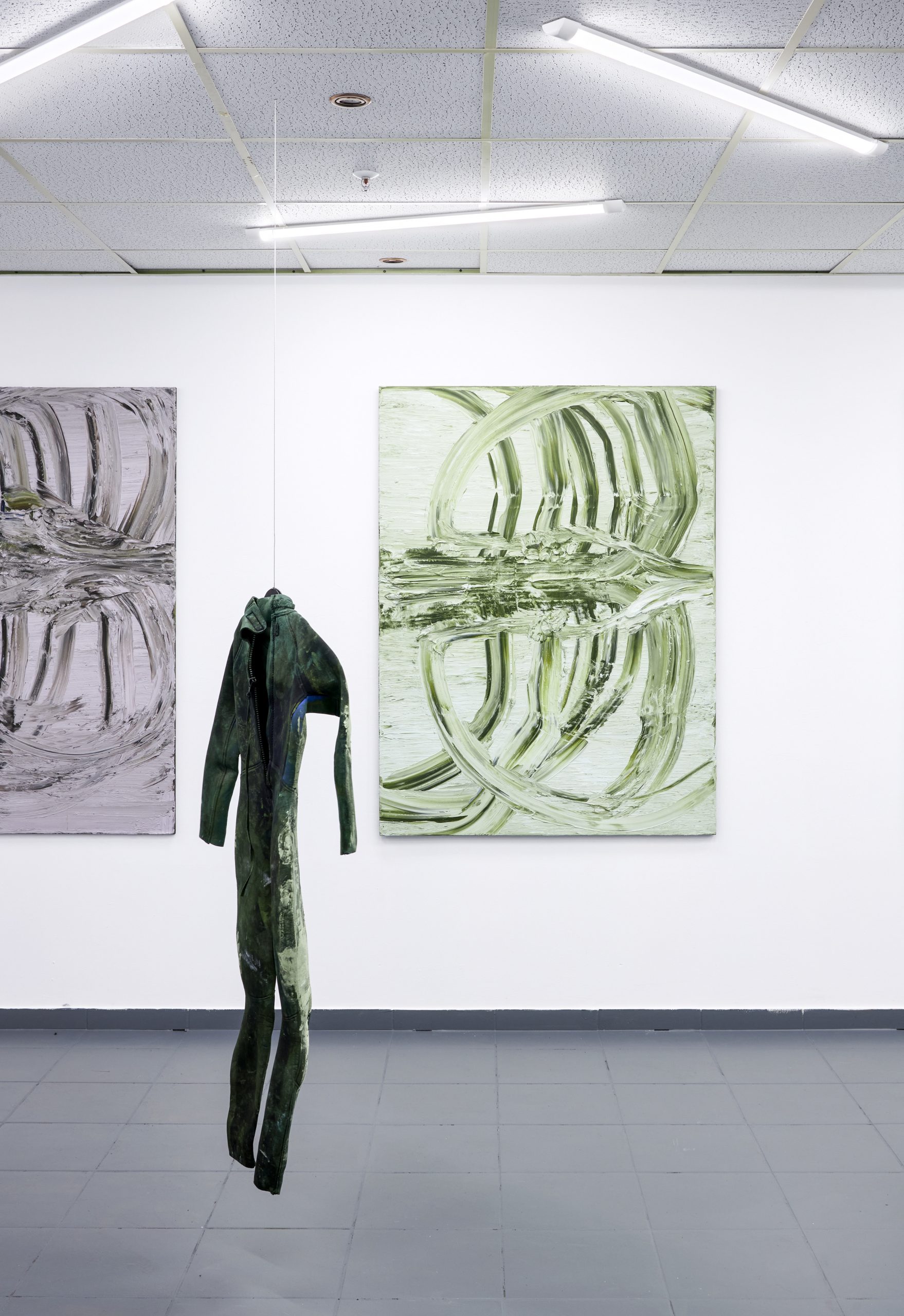
- Marie Jeschke “Ungeheuer Unten (Spree)” | oil on canvas, oil on neoprensuites 2024
-
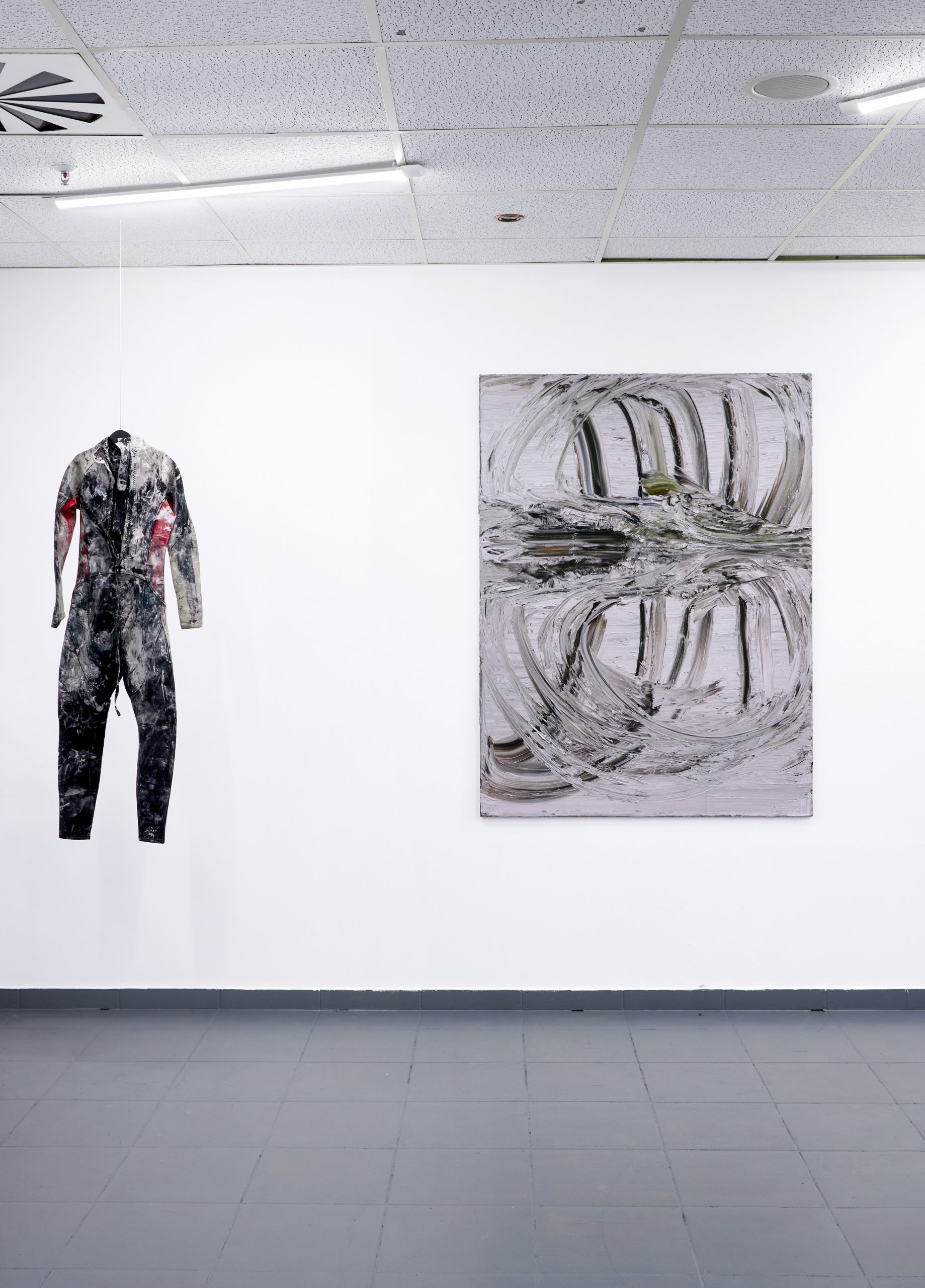
- Marie Jeschke “Ungeheuer Unten (Spree)” | oil on canvas, oil on neoprensuite 2024
-
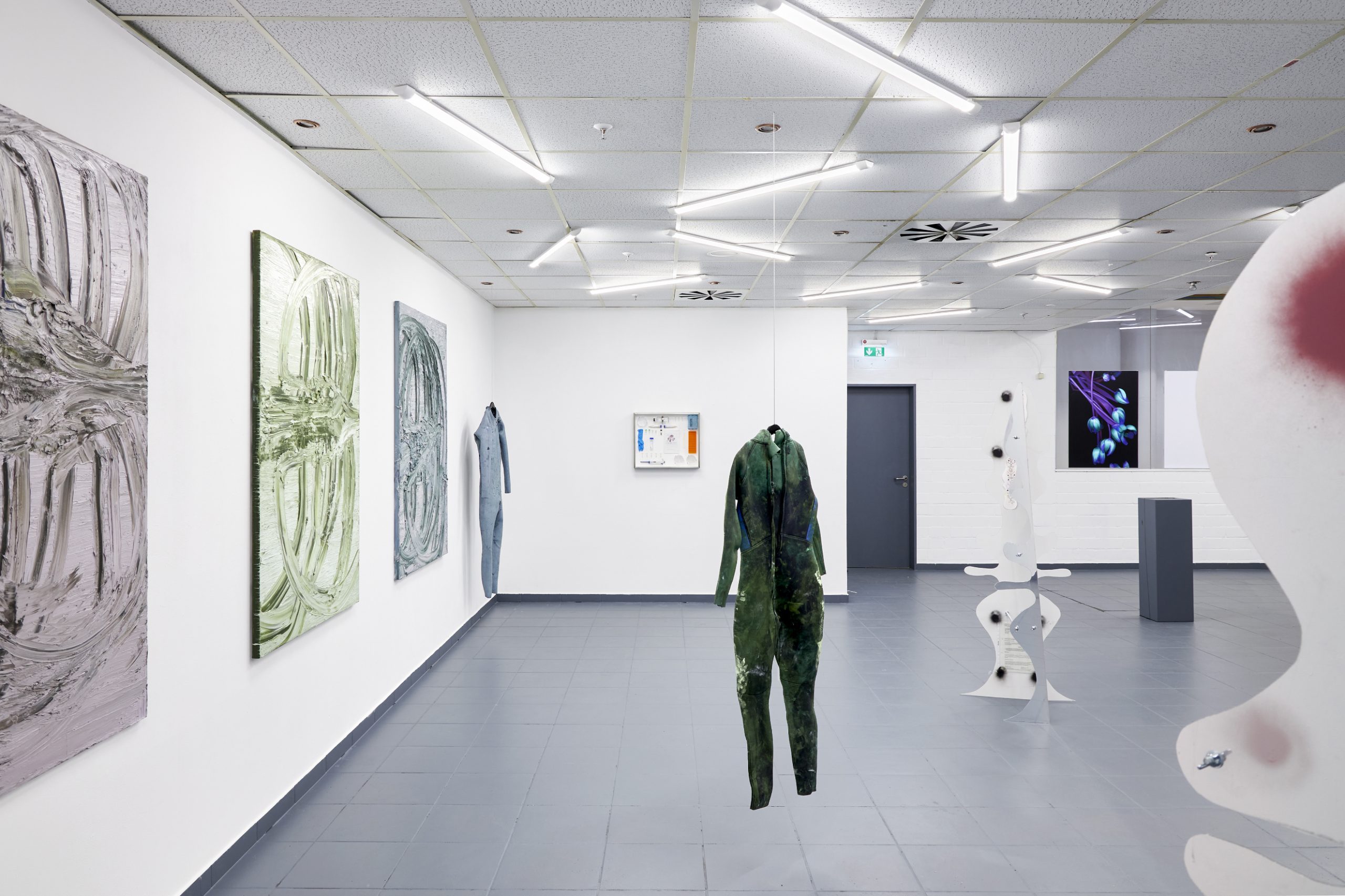
- Reality Glitch
-
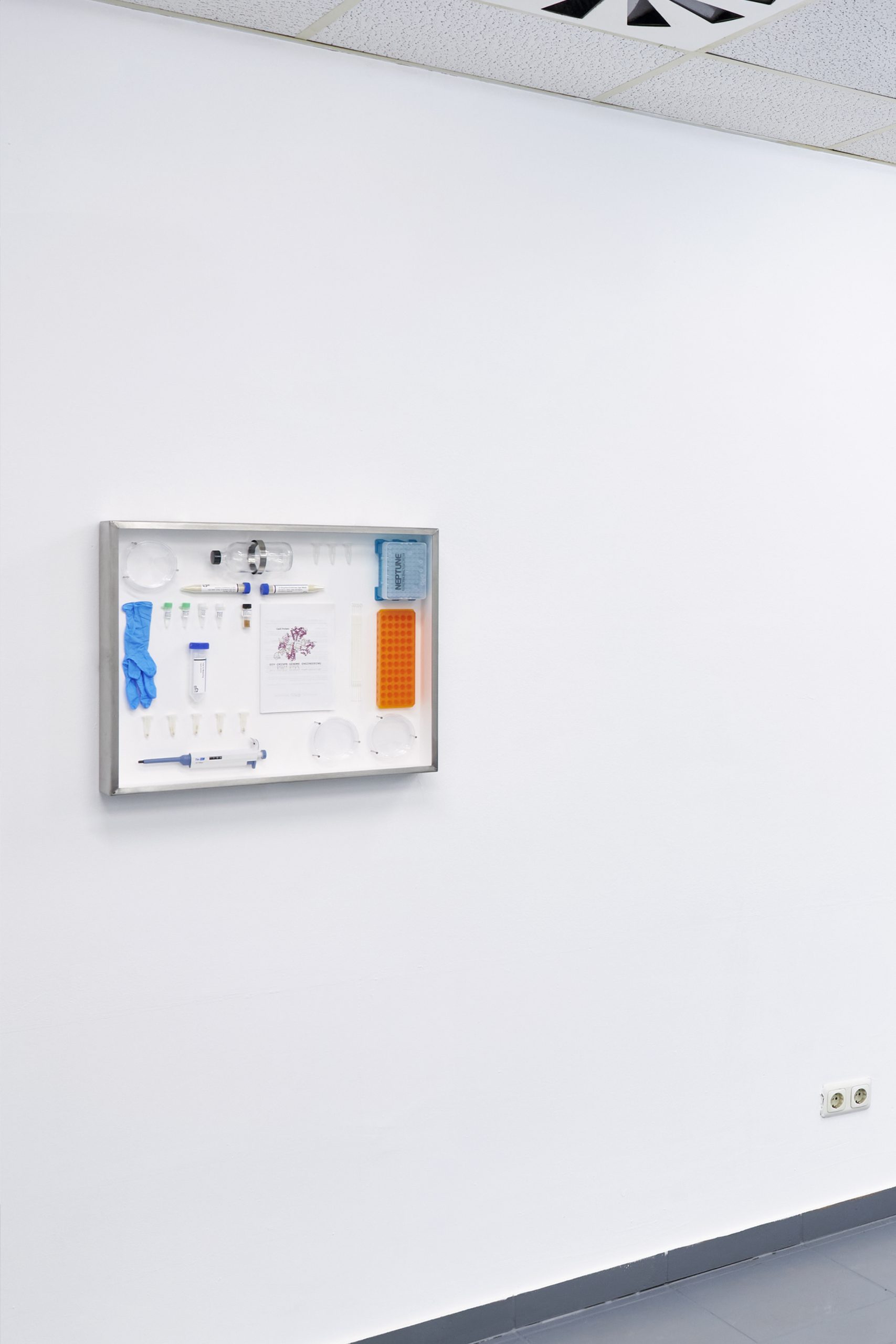
- Andreas Greiner “Edit Yourself KIT” | DIY CRISPR gene-engineering KIT 2018
-

- Vincent Grunwald ““Digitale Körperteile 1-3” | Aludibond, mirror foil, steel, aquarel and pencil on paper 2024
-

- Vincent Grunwald ““Digitale Körperteile 1-3” | Aludibond, mirror foil, steel, aquarel and pencil on paper 2024
-
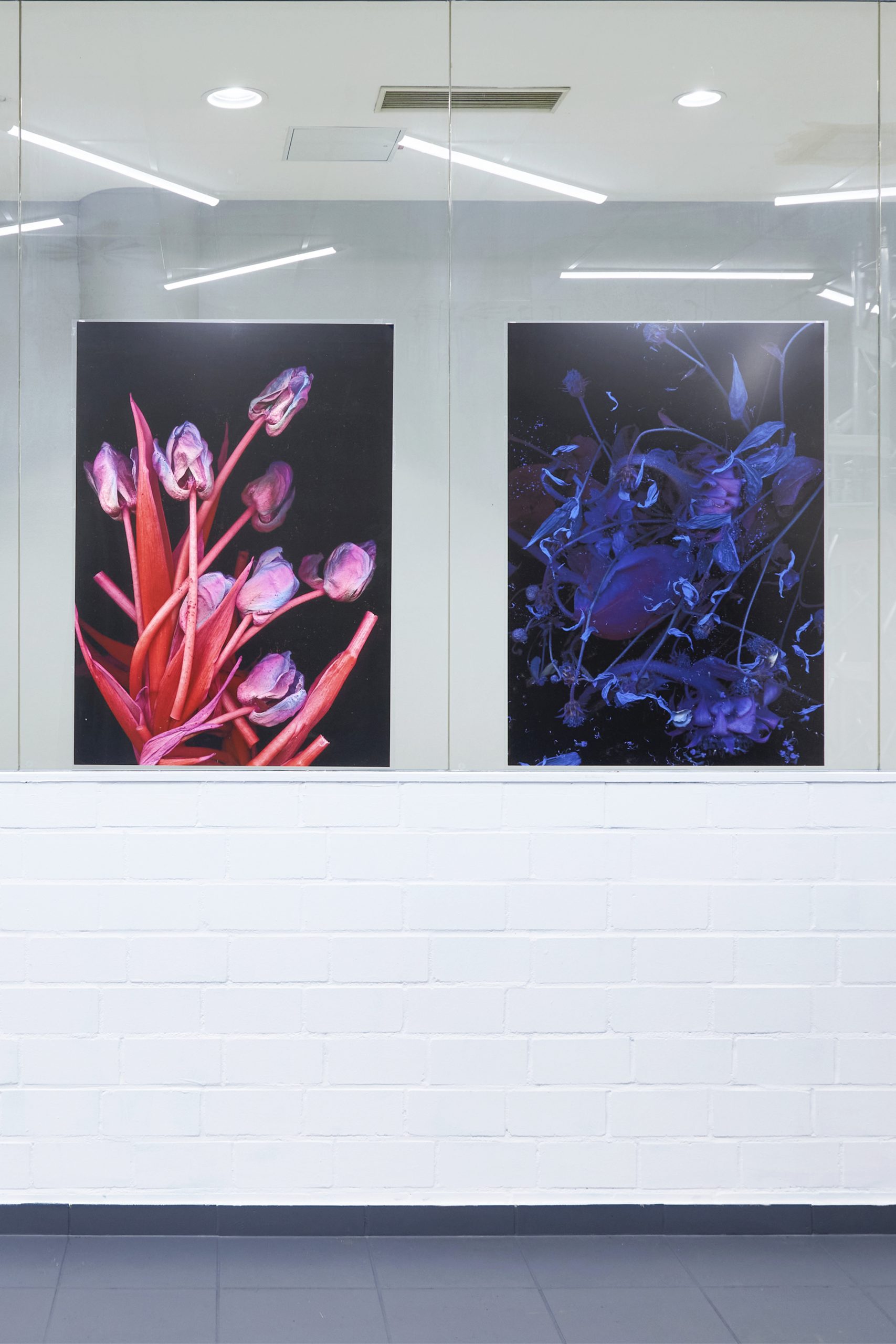
- Maria Malmberg “Another Dimension/ Red Tulip ” | Each: Fine Art print on Hahnemühle Photo Rag, A0, edition of 7 (+2 Artist Proof) 2024
-
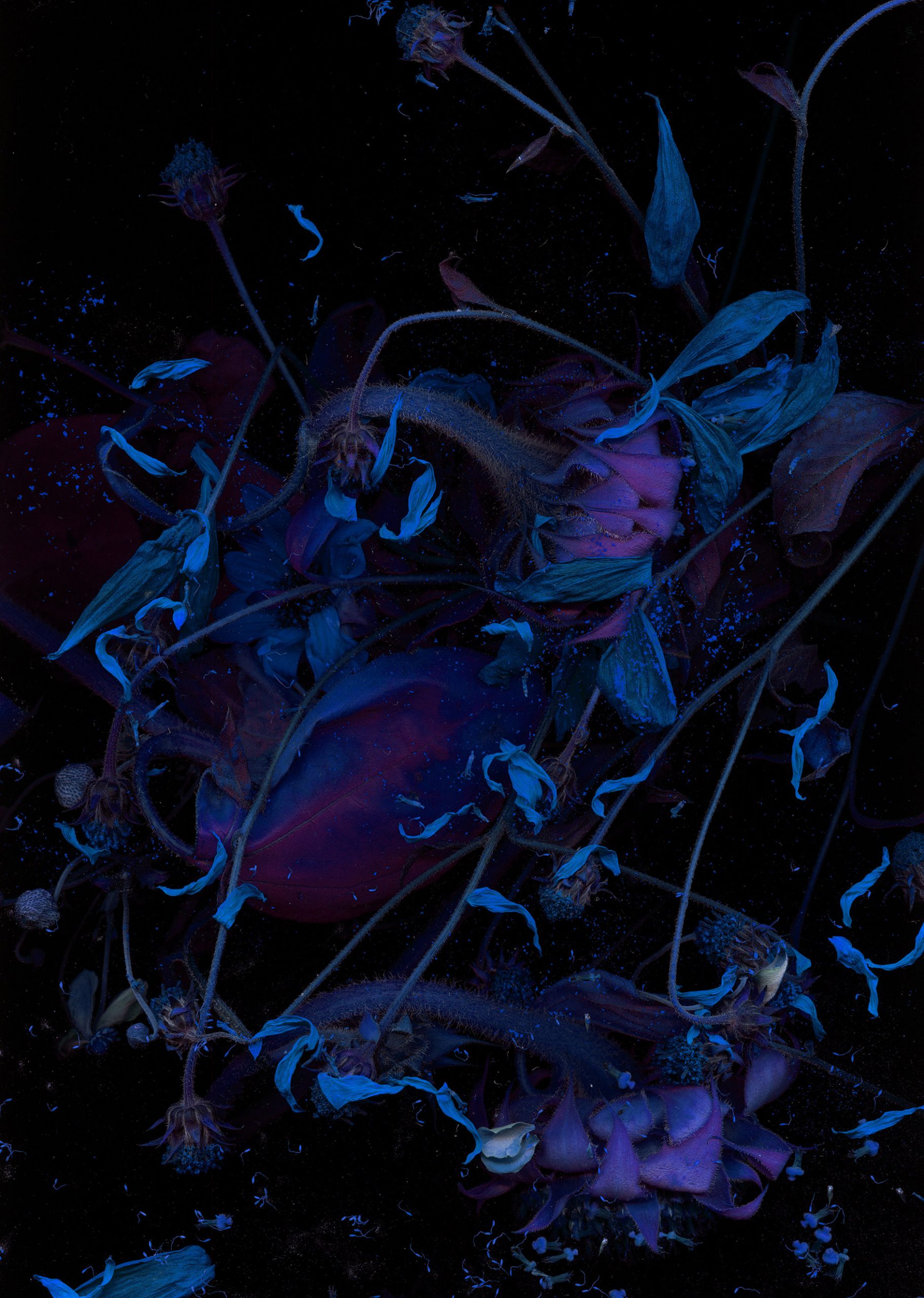
- Maria Malmberg “Another Dimension/ Blue Sun” | Fine Art print on Hahnemühle Photo Rag, A0, edition of 7 (+2 Artist Proof) 2025
-
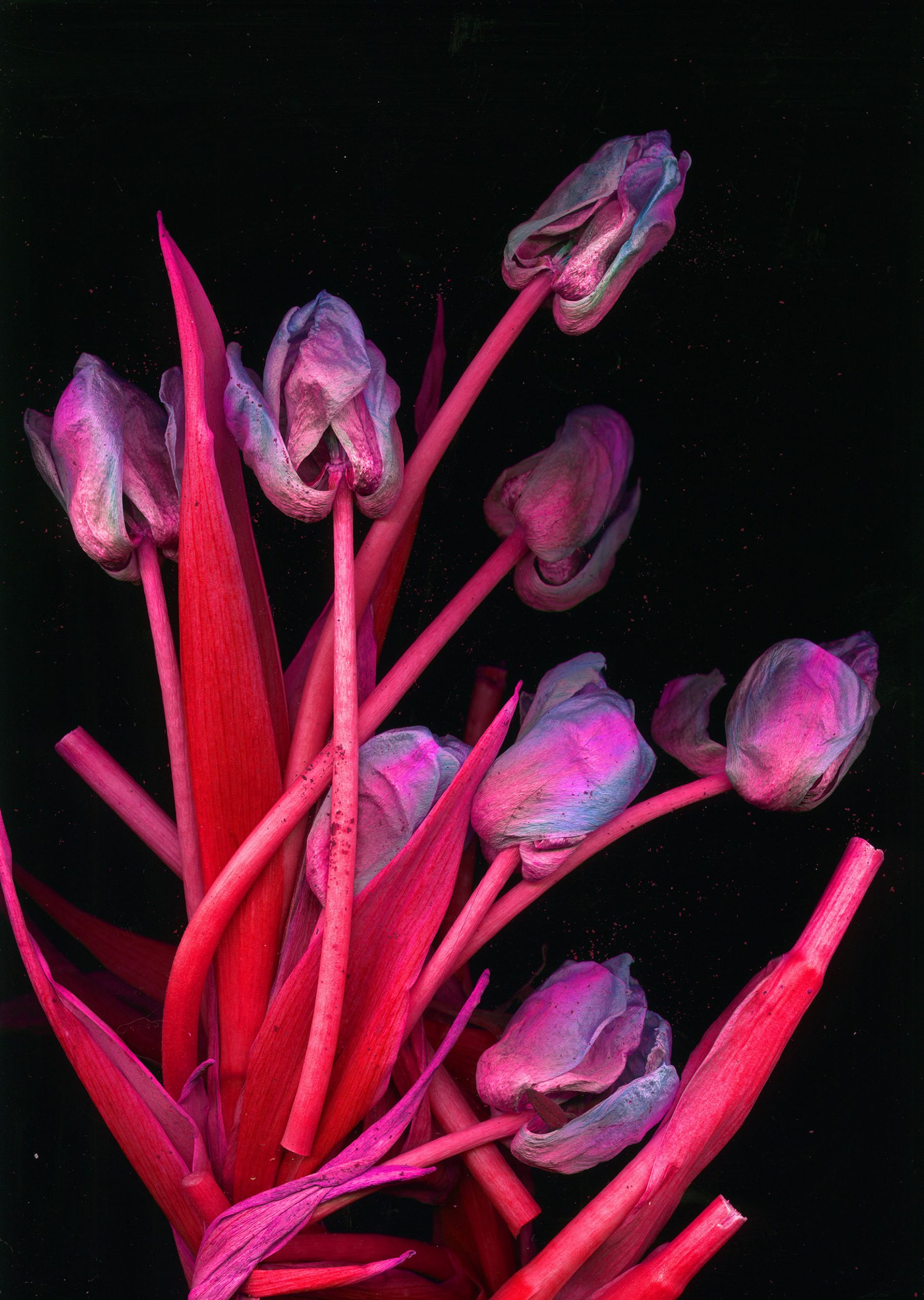
- Maria Malmberg “Another Dimension/ Red Tulip ” | Fine Art print on Hahnemühle Photo Rag, A0, edition of 7 (+2 Artist Proof) 2024
-
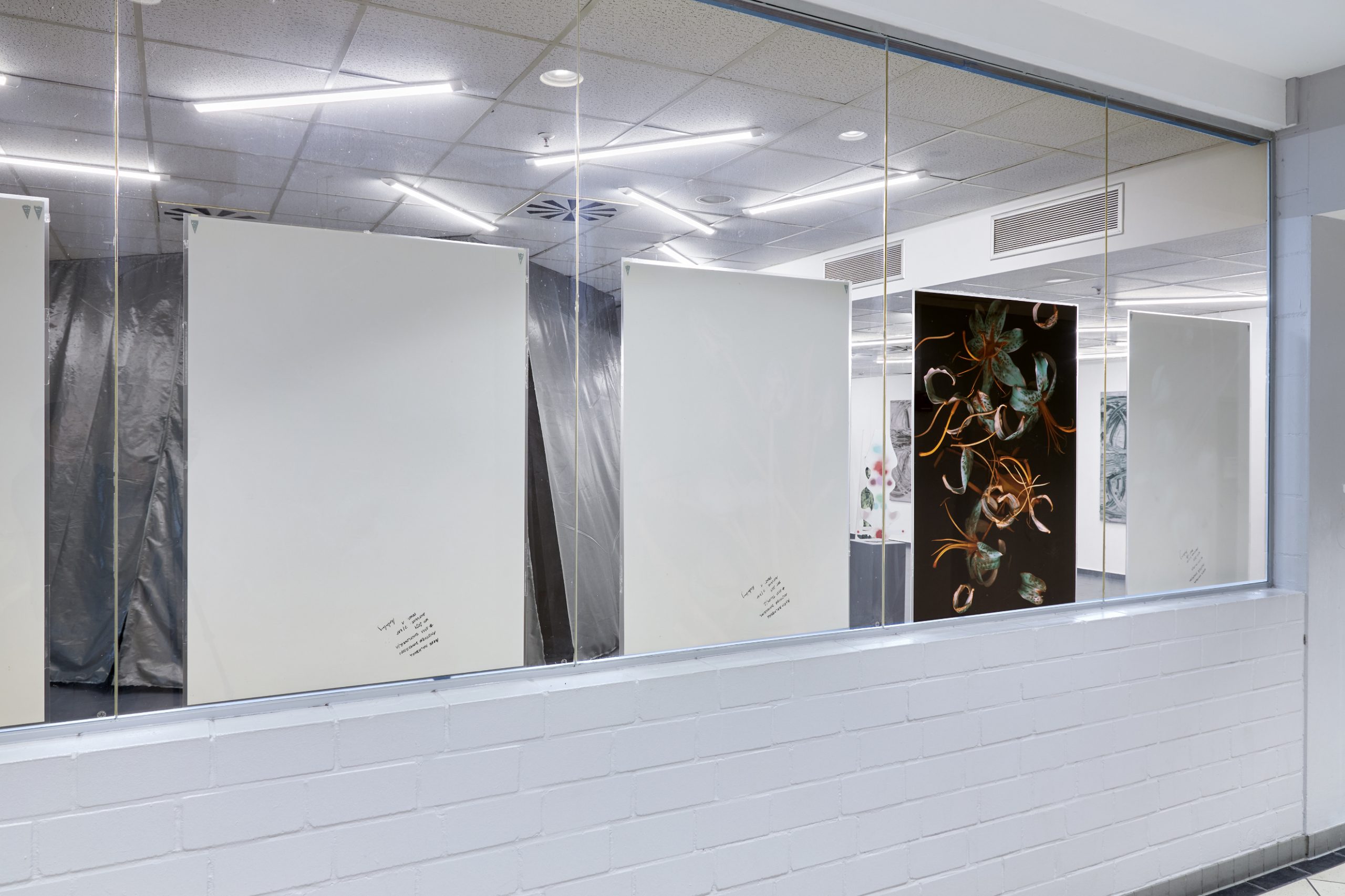
- Maria Malmberg “Another Dimension/ Red Tulip ” | Each: Fine Art print on Hahnemühle Photo Rag, A0, edition of 7 (+2 Artist Proof) 2024
-
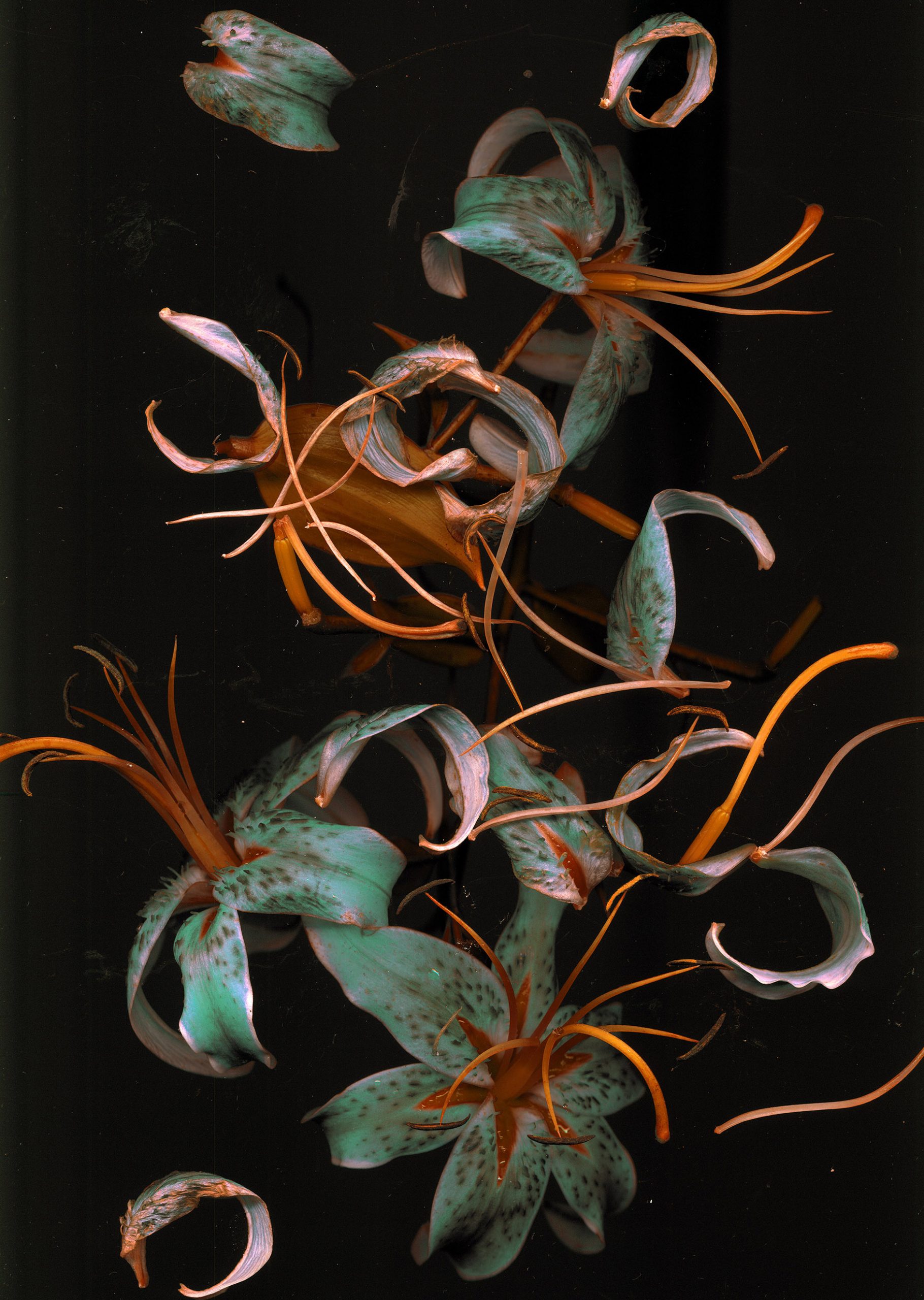
- Maria Malmberg “Another Dimension/ Green Lilly” | Fine Art print on Hahnemühle Photo Rag, A0, edition of 7 (+2 Artist Proof) 2025
-
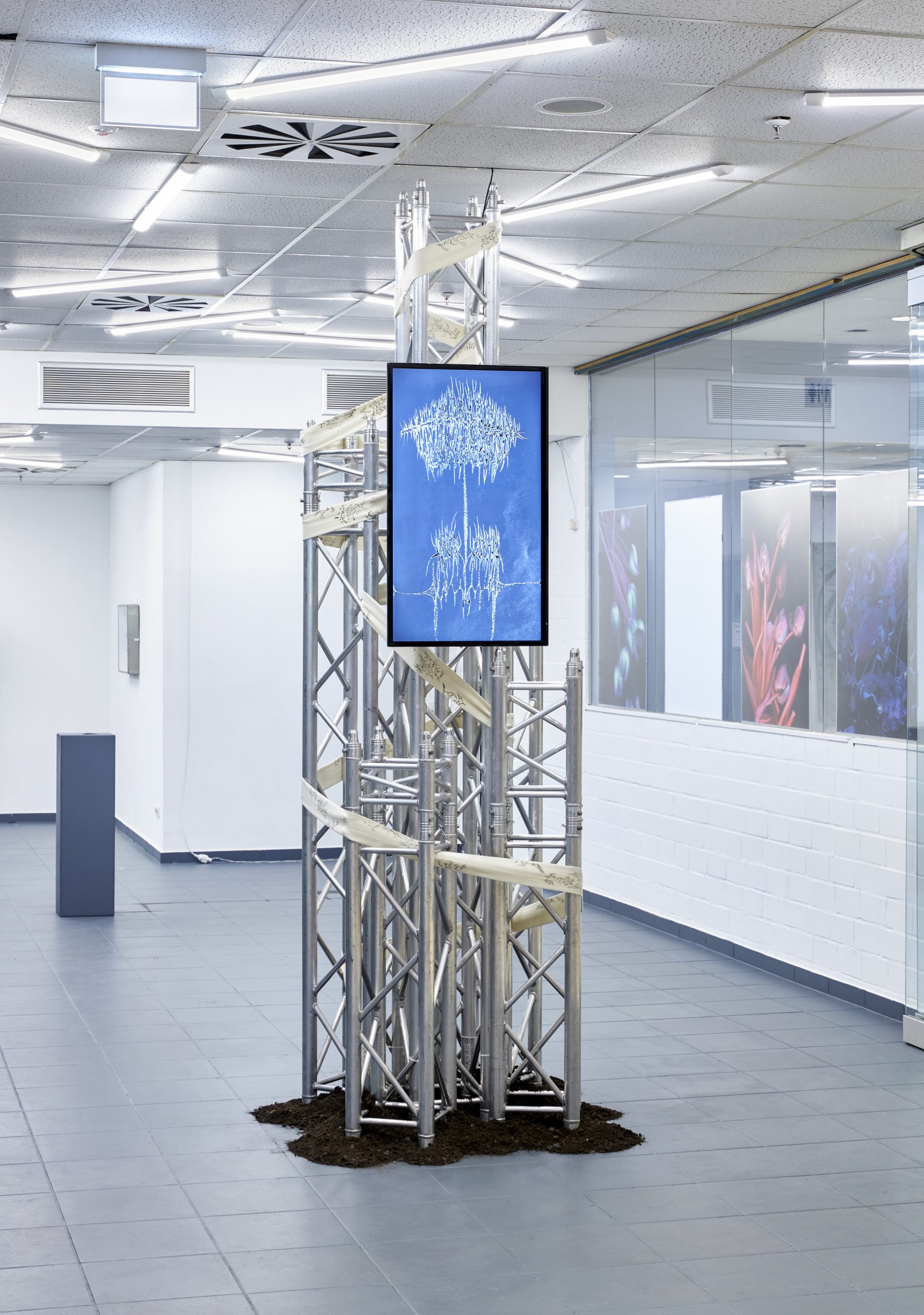
- Dan Su “TRANCEFACIAL” | Video, aluminium, ink drawing on cotton bandage, earth 2025
-
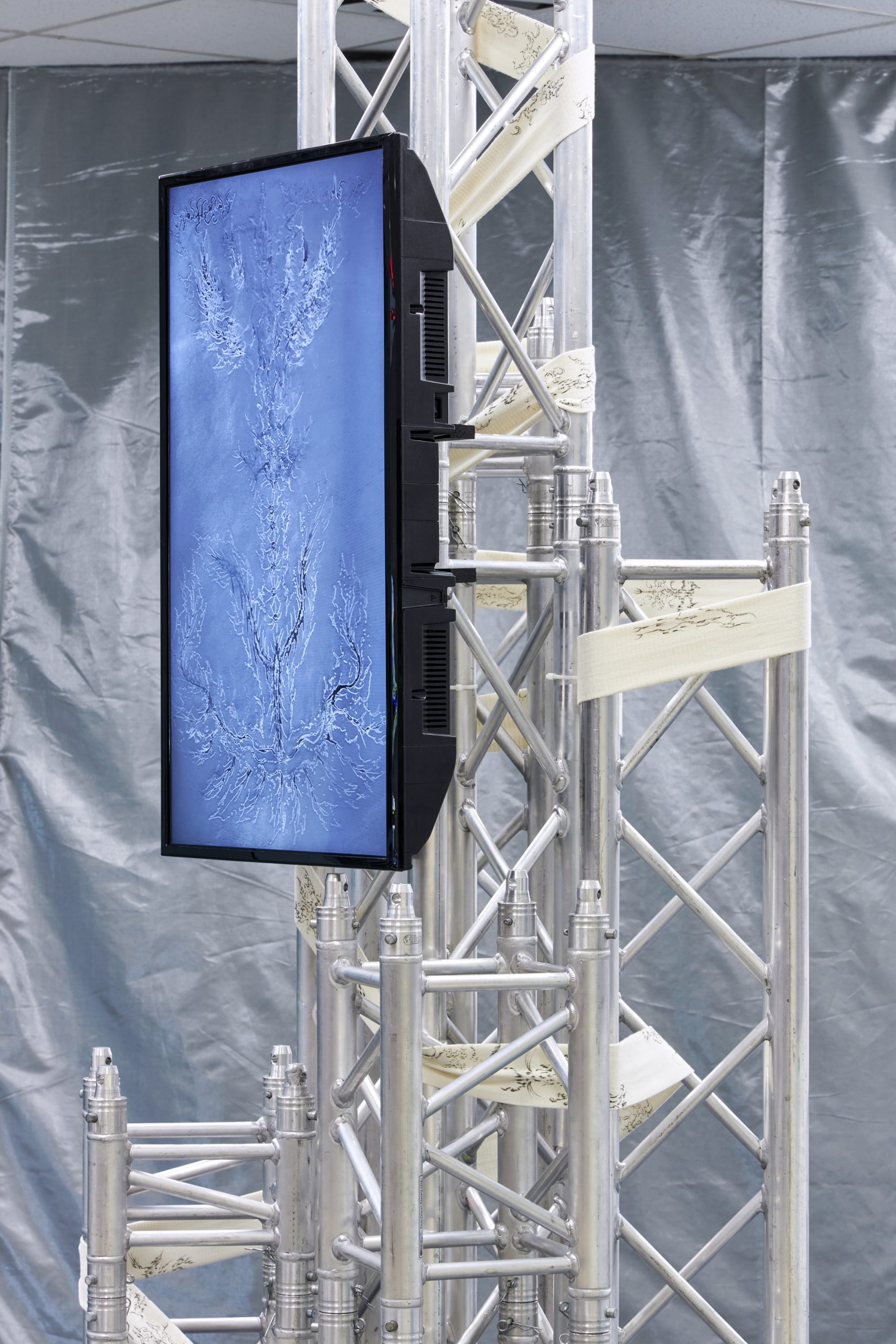
- Dan Su “TRANCEFACIAL” | Video, aluminium, ink drawing on cotton bandage, earth 2025
-
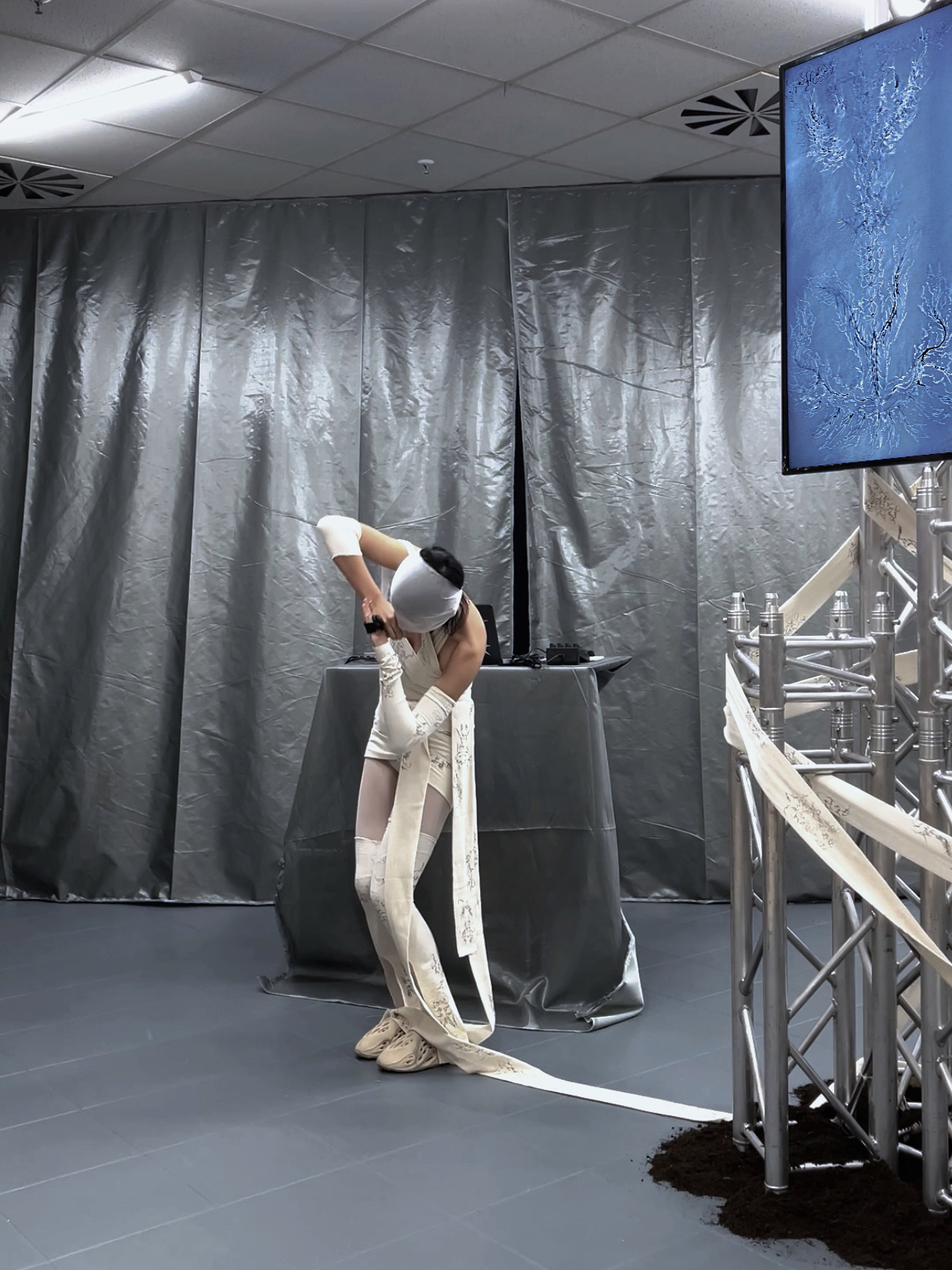
- Dan Su “TRANCEFACIAL” Performance
-
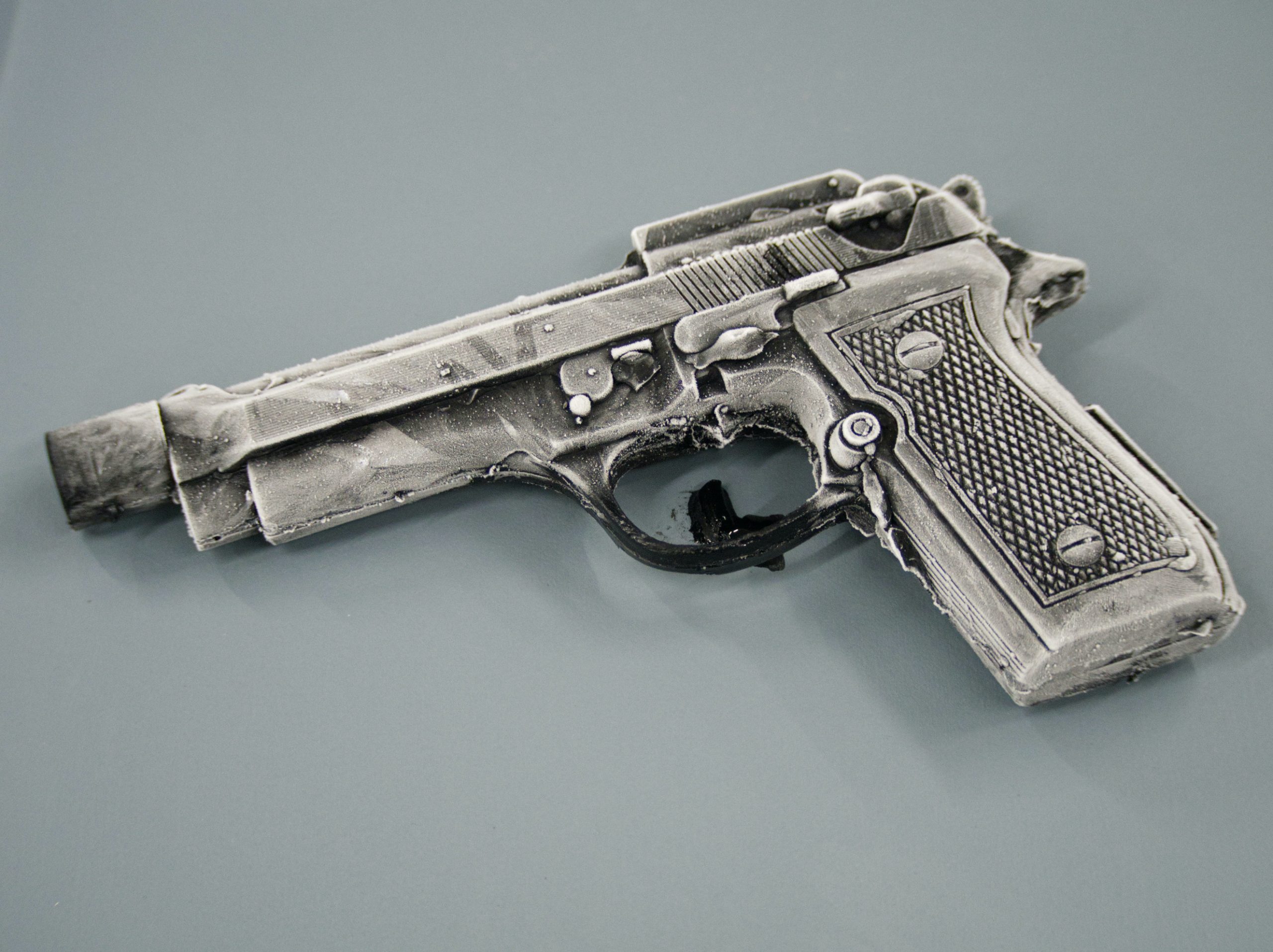
- Alessandro Rauschmann “No Violence” | frozen ink on pedestral
-
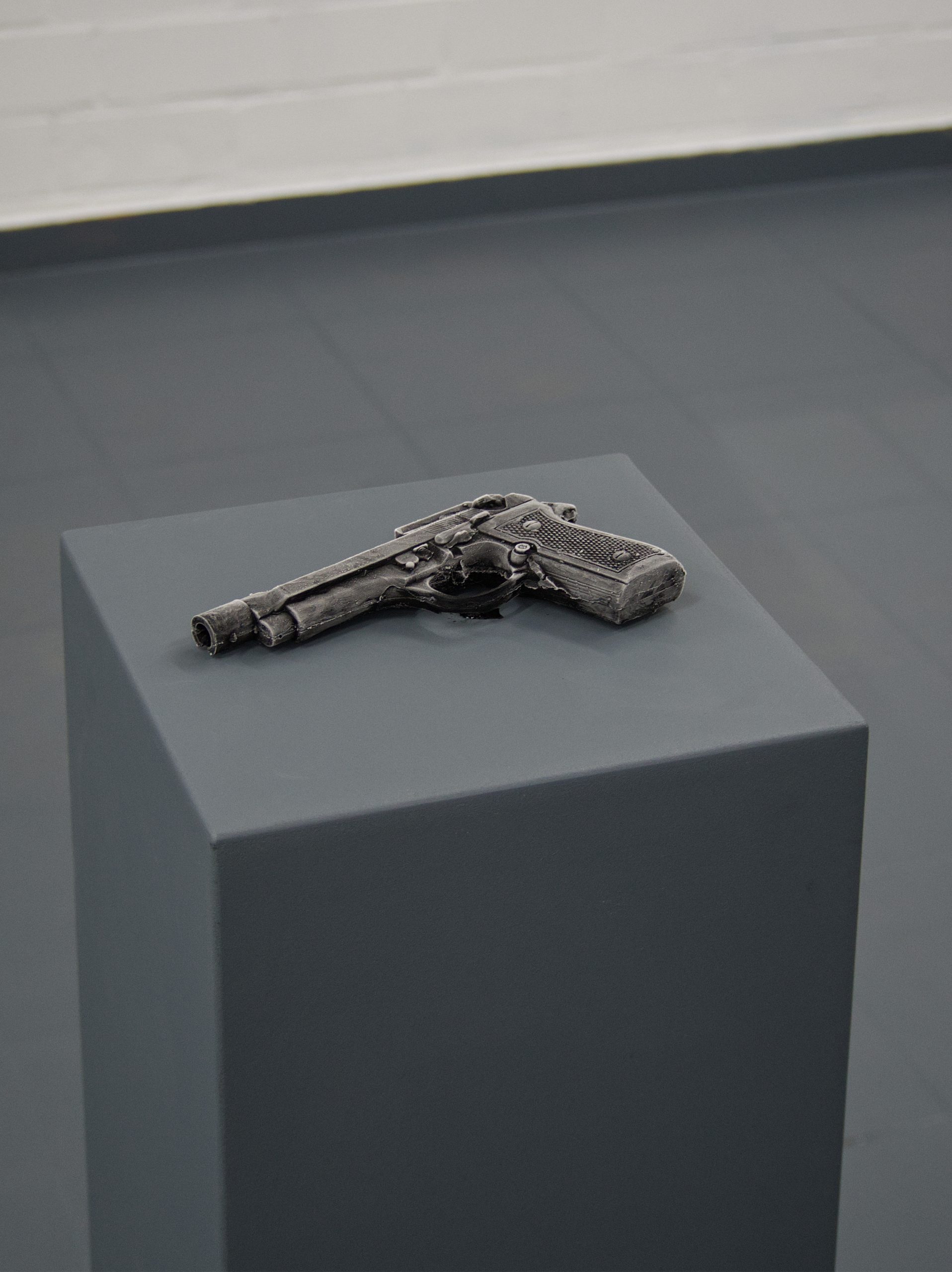
- Alessandro Rauschmann “No Violence” | frozen ink, pedestral 2025
-
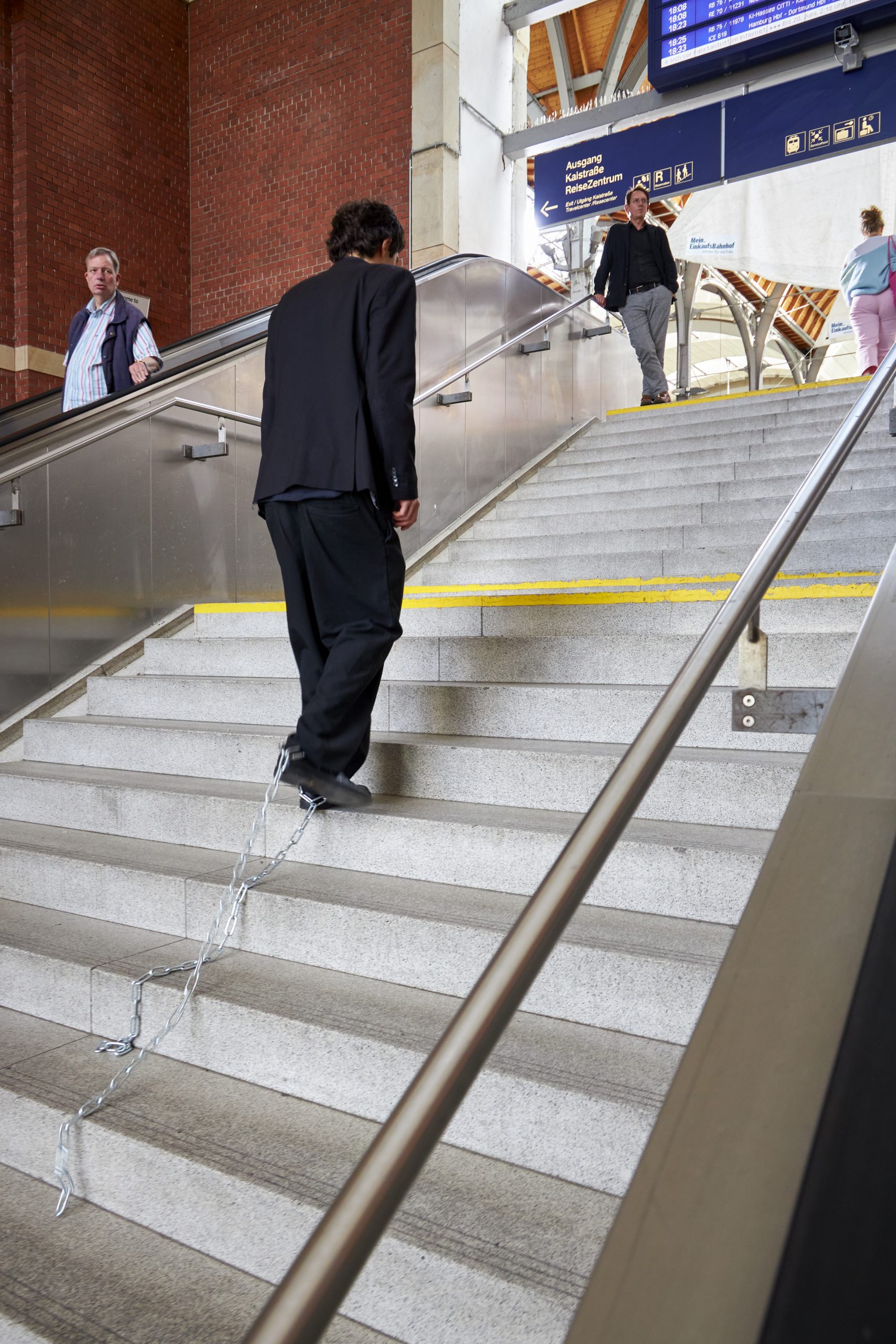
- Alessandro Rauschmann “Chain Walk + Rose Infusion” | Performance 2025
-
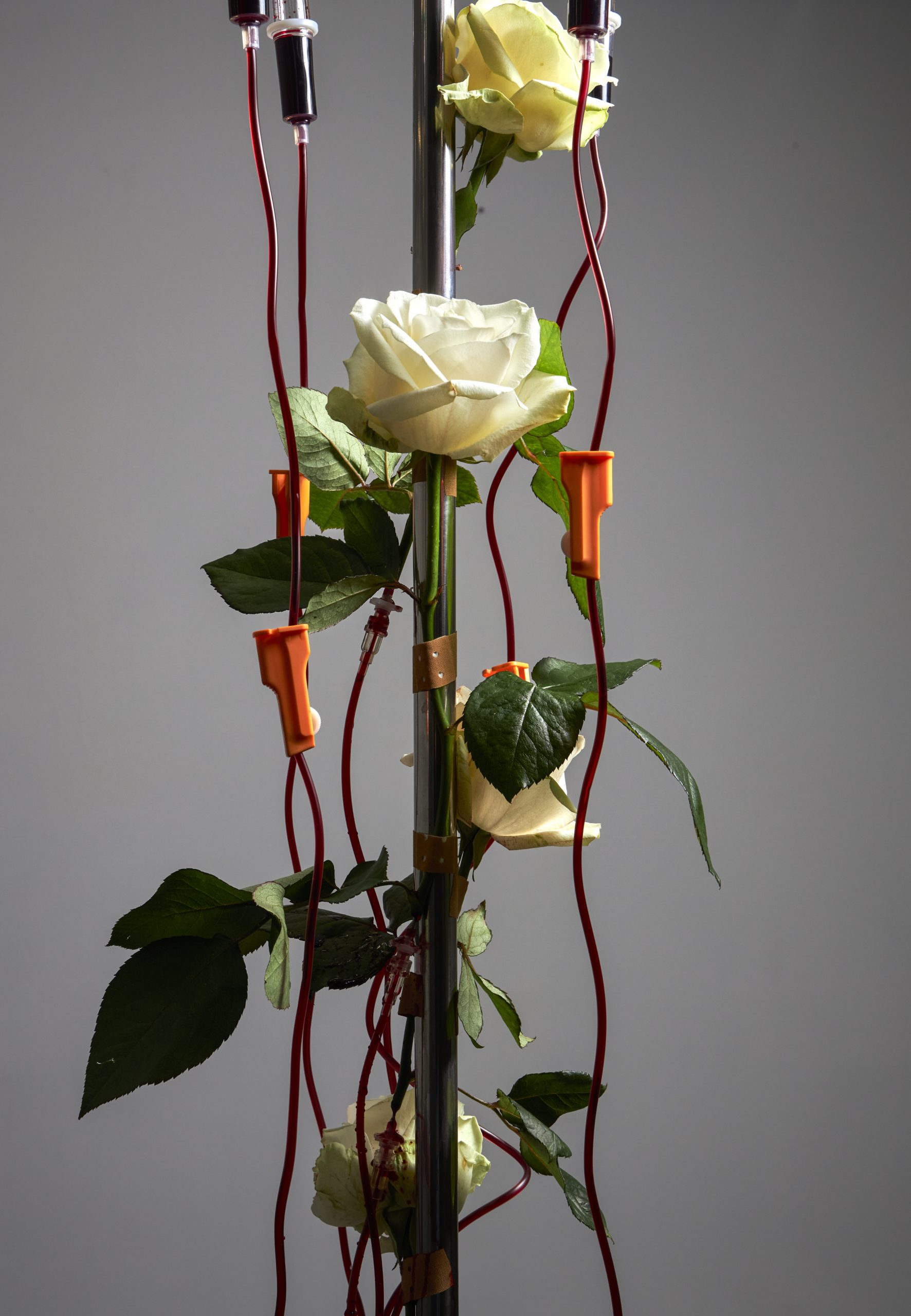
- Alessandro Rauschmann “Chain Walk + Rose Infusion” | Performance 2025
-
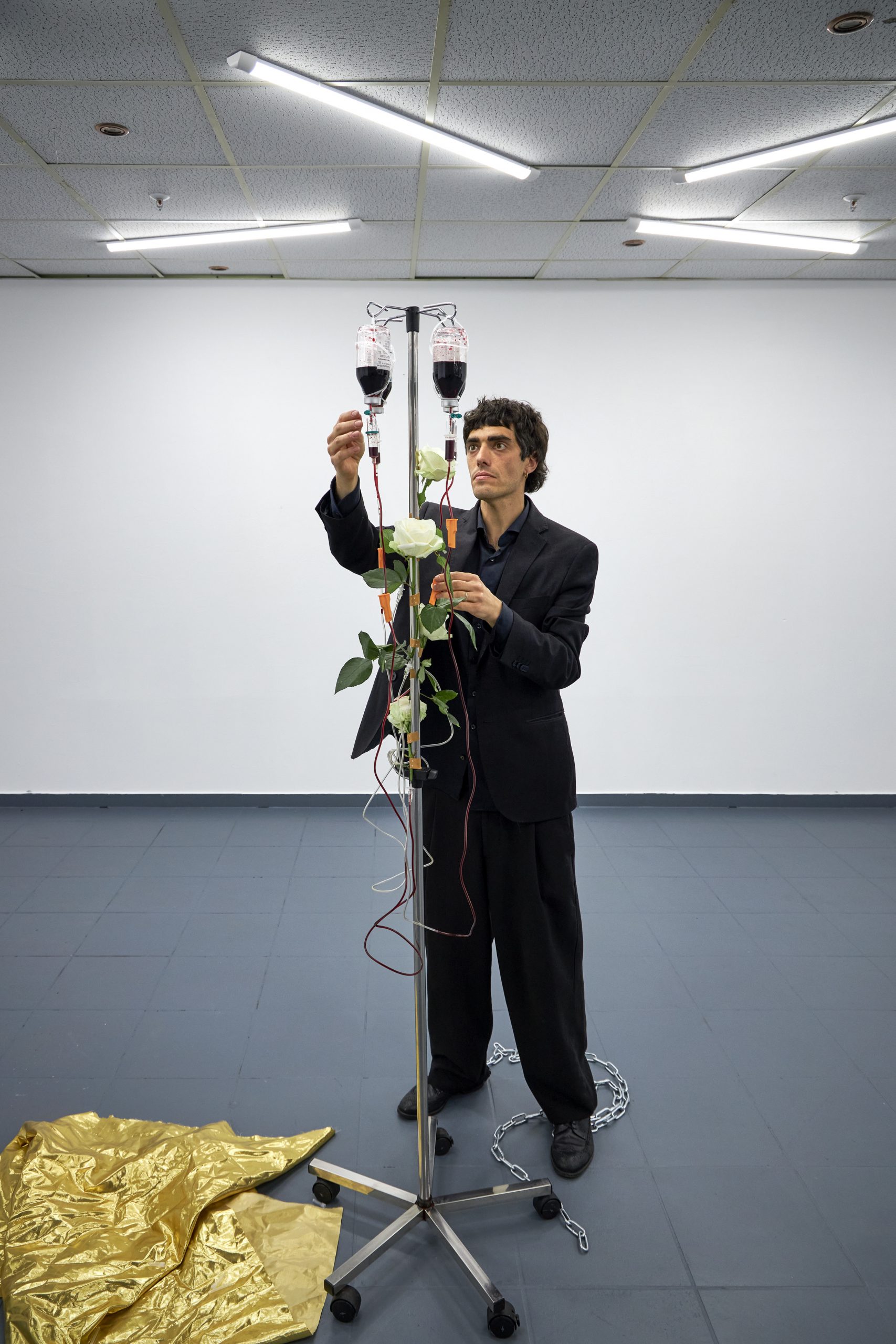
- Alessandro Rauschmann “Chain Walk + Rose Infusion” | Performance 2025
All Pictures Jan Brockhaus© / Lusvardi Art©